
Customer Relationship Management (CRM) systems have become central to how modern businesses manage sales, customer engagement, and operational workflows. In Australia’s competitive landscape, choosing the right CRM platform is a strategic decision that directly impacts revenue growth, customer retention, and operational efficiency.
Two of the most widely adopted enterprise CRM platforms- Salesforce CRM and Microsoft Dynamics 365, offer powerful capabilities. However, they differ significantly in architecture, flexibility, pricing models, and integration ecosystems.
Understanding these differences is essential for selecting the CRM that aligns with your business needs.
Why CRM Selection Matters
Australian businesses are increasingly investing in CRM as part of broader digital transformation strategies. With the integration of AI, automation, and data analytics, CRM platforms are no longer limited to sales tracking; they now function as centralised business intelligence systems.
Industry insights suggest that organisations implementing CRM effectively can see:
- Up to 30% improvement in sales productivity
- Enhanced customer experience through data-driven engagement
- Better forecasting and decision-making capabilities
However, these outcomes depend heavily on choosing the right platform and implementing it correctly.
Overview: Salesforce vs Microsoft Dynamics
Salesforce CRM

Images source:chatgpt
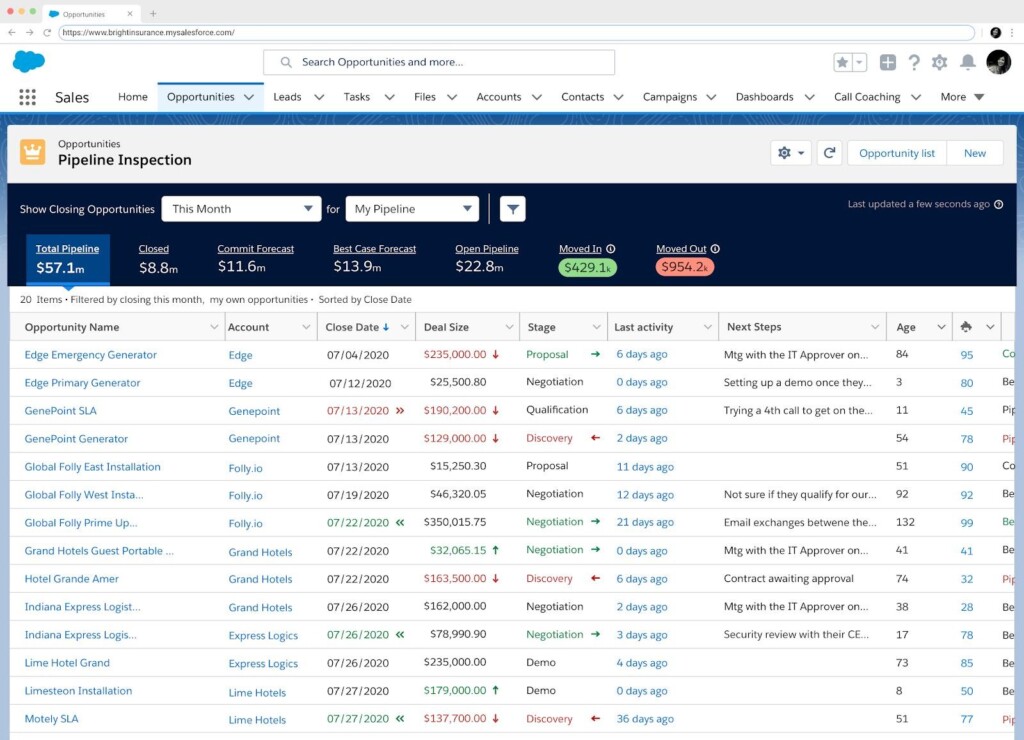
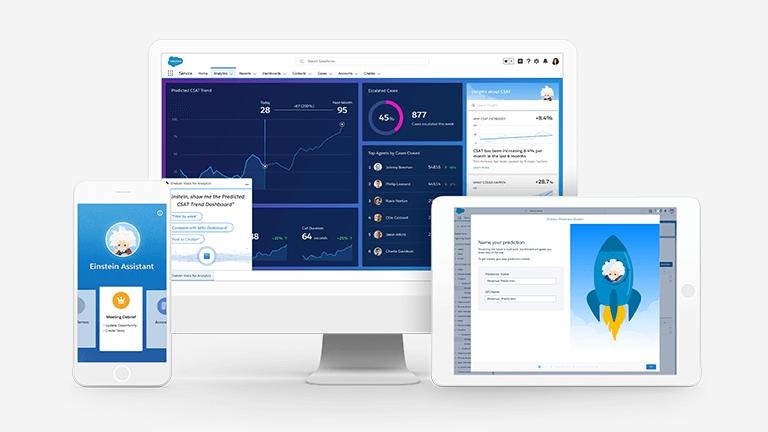
Salesforce CRM is a cloud-native CRM platform known for its extensive customisation, scalability, and AI-driven capabilities. It is widely used by organisations seeking a highly flexible and innovation-focused solution.
Key strengths:
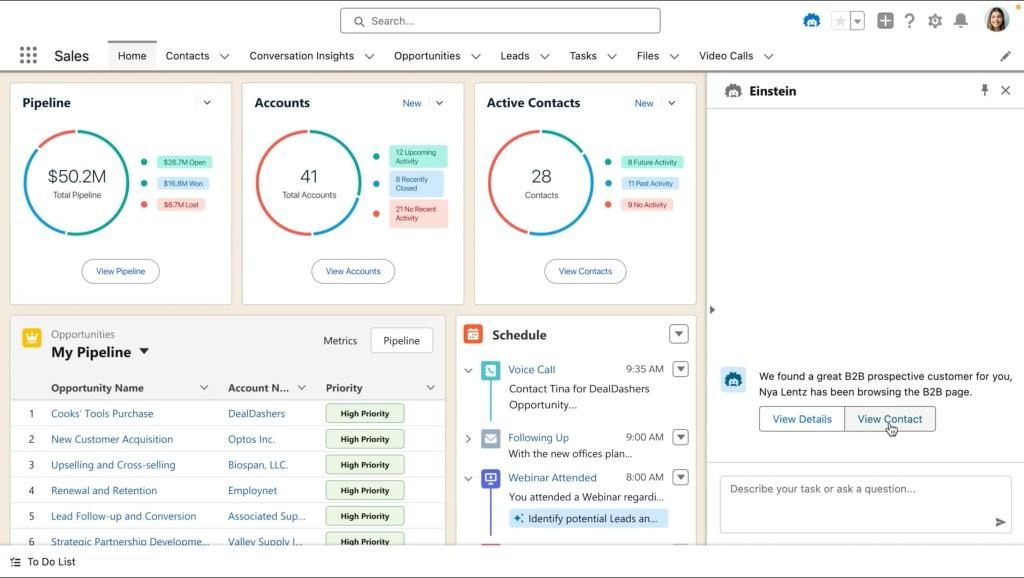
- Advanced AI features (Einstein AI)
- Extensive third-party integrations via AppExchange
- Highly customisable workflows and automation
- Strong ecosystem for sales, marketing, and service
Microsoft Dynamics 365
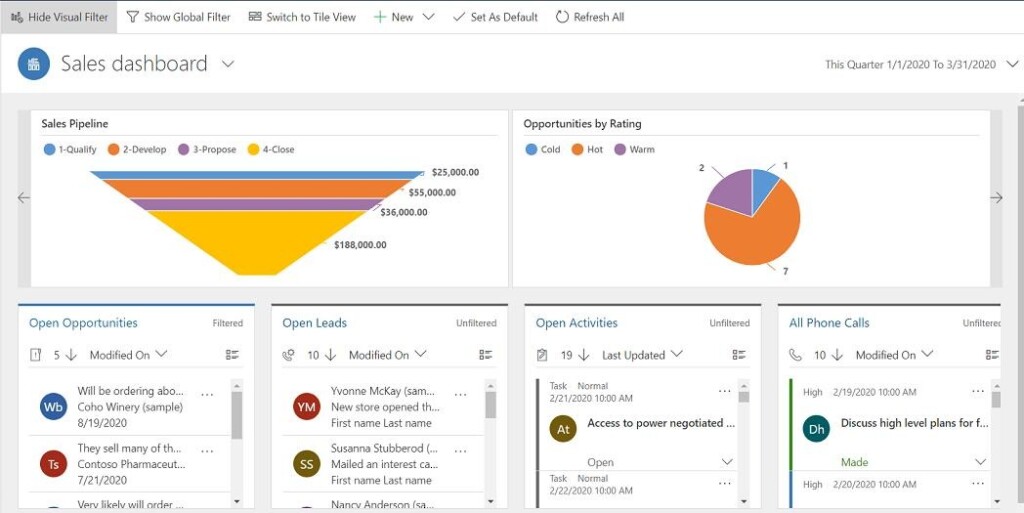
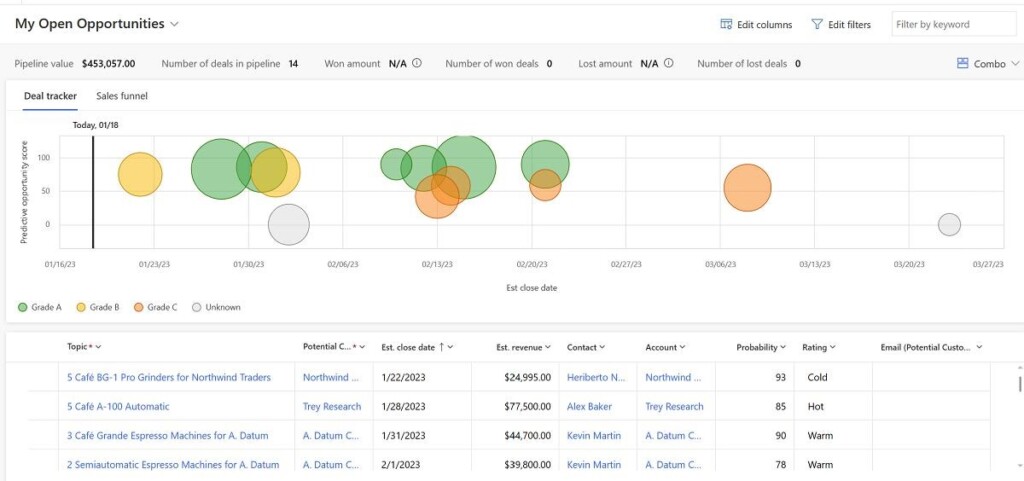
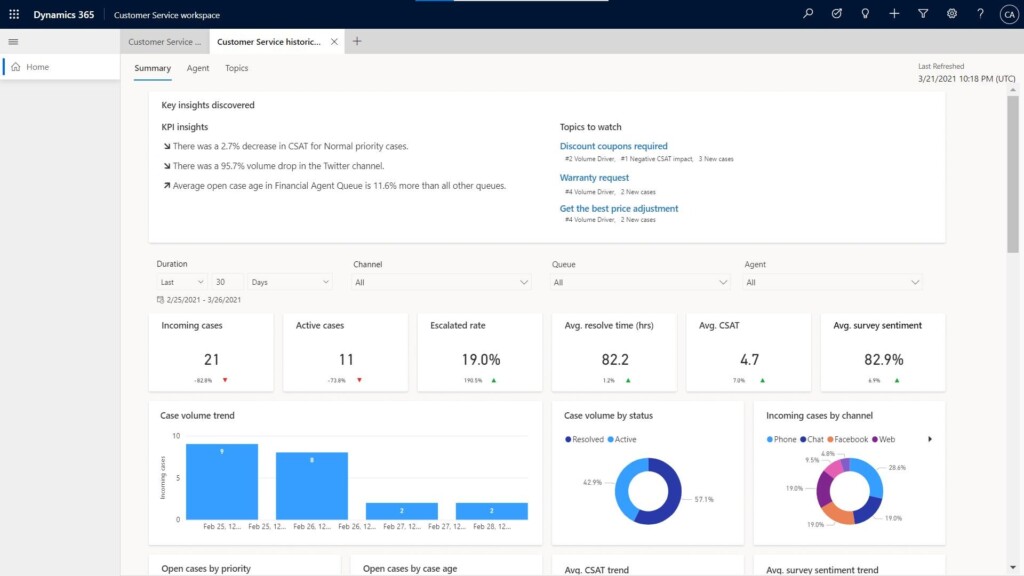
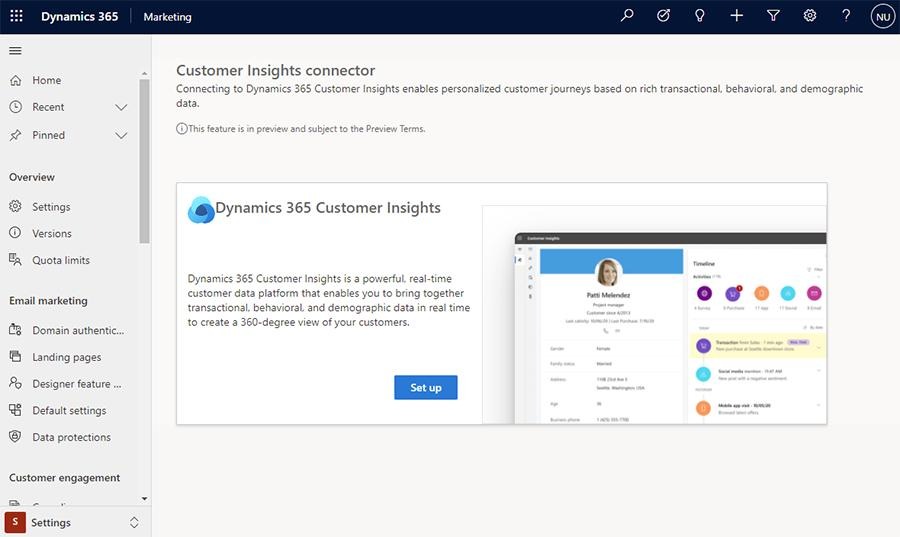
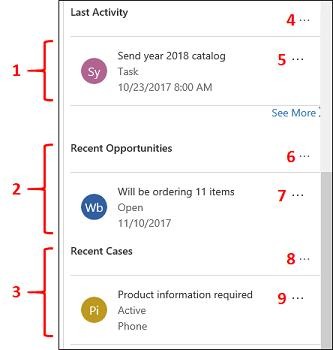
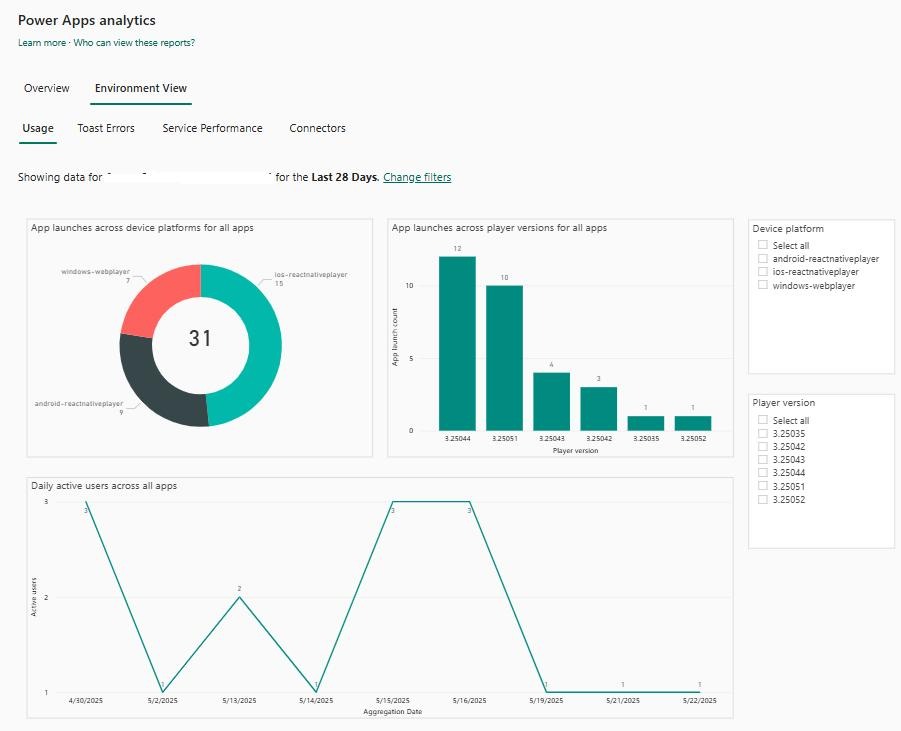
Microsoft Dynamics 365 combines CRM and ERP capabilities within a unified ecosystem. It is particularly suited for businesses already using Microsoft tools such as Office 365, Azure, and Teams.
Key strengths:
- Seamless integration with the Microsoft ecosystem
- Built-in ERP capabilities
- Familiar user interface for Microsoft users
- Strong data analytics through Power BI
Key Comparison Factors
1. Ease of Use and Adoption
Salesforce offers a highly customisable interface, but it often requires training and onboarding due to its complexity.
Microsoft Dynamics, on the other hand, provides a familiar interface for organisations already using Microsoft products, resulting in faster adoption and lower training overhead.
Best fit:
- Salesforce: Businesses are comfortable with customisation and complexity
- Dynamics: Organisations prioritising ease of use and quick adoption
2. Customisation and Flexibility
Salesforce leads in deep customisation capabilities, allowing businesses to tailor workflows, dashboards, and automation extensively.
Microsoft Dynamics also offers flexibility but is more structured within the Microsoft ecosystem.
Best fit:
- Salesforce: Businesses with unique processes and advanced requirements
- Dynamics: Businesses seeking structured, integrated solutions
3. Integration Capabilities
Salesforce integrates with a wide range of third-party applications, making it ideal for businesses using diverse tools.
Microsoft Dynamics excels in native integration with:
- Microsoft Office
- Teams
- Azure
- Power Platform
Best fit:
- Salesforce: Multi-tool environments
- Dynamics: Microsoft-centric organisations
4. AI and Automation
Both platforms have invested heavily in AI:
- Salesforce uses Einstein AI for predictive analytics and automation
- Dynamics leverages Microsoft AI and Copilot capabilities
Salesforce is often considered more mature in AI-driven CRM innovation, while Dynamics benefits from integration with Microsoft’s broader AI ecosystem.
5. Pricing and Total Cost of Ownership
Salesforce typically operates on a tiered subscription model, with additional costs for customisation, integrations, and advanced features.
Microsoft Dynamics can be more cost-effective for organisations already invested in Microsoft products, as it offers bundled pricing advantages.
Consideration:
Total cost should include:
- Licensing
- Implementation
- Customisation
- Ongoing maintenance
6. Scalability and Business Growth
Both platforms are highly scalable, but Salesforce is often preferred by enterprises requiring global scalability and complex implementations.
Microsoft Dynamics is well-suited for growing SMEs and mid-sized businesses, particularly those expanding within the Microsoft ecosystem.
7. Deployment and Implementation Complexity
CRM implementation is a critical success factor. Poor implementation can lead to low adoption and failed ROI.
Salesforce implementations can be more complex and resource-intensive, requiring experienced consultants.
Microsoft Dynamics implementations are generally more streamlined, especially for Microsoft-based environments.
Which CRM Fits Your Business?
Choose Salesforce CRM if:
- You require high levels of customisation
- Your business operates with diverse tools and integrations
- You prioritise advanced AI-driven insights
- You have the resources for a complex implementation
Choose Microsoft Dynamics 365 if:
- You are already using Microsoft products extensively
- You need a unified CRM + ERP solution
- You prioritise ease of adoption and lower training requirements
- You want cost efficiency within an existing ecosystem
Common CRM Implementation Challenges
Regardless of the platform, businesses often face:
- Poor requirement definition
- Lack of user adoption
- Data migration issues
- Integration failures
- Misalignment with business processes
These challenges highlight the importance of structured CRM implementation and ICT project management.
The Role of IT Partners in CRM Success
Selecting the right CRM is only part of the equation. Successful implementation requires:
- Strategic planning and requirement analysis
- Integration with existing systems
- Data governance and compliance alignment
- Ongoing optimisation and support
Without expert guidance, even the most advanced CRM platforms can fail to deliver expected outcomes.
How TechBlokes Supports CRM Implementation
TechBlokes IT Solutions Pty Ltd helps Australian businesses navigate CRM selection and implementation with a structured, business-first approach.
Their services include:
- CRM consulting and platform selection
- End-to-end implementation and integration
- Customisation aligned with business workflows
- Ongoing support and optimisation
By aligning CRM systems with operational goals, TechBlokes ensures that businesses achieve measurable ROI and long-term scalability.
Choosing between Salesforce CRM and Microsoft Dynamics 365 is not about selecting the “best” platform; it is about selecting the right fit for your business model, technology ecosystem, and growth strategy.
Both platforms offer powerful capabilities, but their effectiveness depends on how well they align with your operational needs and how effectively they are implemented.
In a data-driven economy, the right CRM decision can transform how businesses engage customers, streamline operations, and scale sustainably.